
How can I help my dog feel better?
Osteoarthritis (OA) is the most common cause of chronic pain in dogs.
It usually affects middle aged to older dogs but we occasionally see it in younger animals.
Without treatment, arthritis can cause daily pain and stiffness which can be debilitating.
There are lots of things you can do to reduce your dog’s OA pain, slow progression of the disease, and help keep your dog moving.
What is OA?
Arthritis literally means inflammation of a joint.
Affected joints may be stiff, painful, or sometimes weak.
Some types of arthritis may cause joints to swell or feel warm to the touch.
In OA the cartilage which cushions and protects the bones gets thinner and can wear away.
The joint fluid becomes more watery, and the joint capsule gets thicker, less flexible, and becomes chronically inflamed.
The tendons and muscles which support the joint become weaker.
The end stage of OA is total joint failure.
OA can develop due to old injuries (fractures or cruciate ligament rupture) or wear and tear, but usually OA is due to imperfect joints: the bones don’t come together quite as they should.
An example of this which most dog owners have heard of is hip dysplasia.
Affected dogs have a hip joint where the socket is too shallow, or the ball that fits into the socket is square rather than smooth and round.
We see similar problems in dogs’ elbows, shoulders, knees, and ankles.
Affected joints are unstable and, over time this leads to painful OA when the dog reaches middle to older age.
In some dogs that are severely affected they may develop OA at a much younger age.
Could my dog have arthritis?
The earlier we can spot the signs of OA in your dog, the simpler it is to help them.
Some of the first signs of OA include:
● Stiffness
● Slowing down
● Stopping
Watch your dog when he gets up from lying down.
Does he stand up happily?
Is he relaxed?
Does he spring into action?
Or does he ease himself up slowly and carefully, maybe taking a few steps to get going.
A dog with OA may hesitate to sit down when you tell him to, or shift his weight over to one side when sitting.
What is your dog like on her walks?
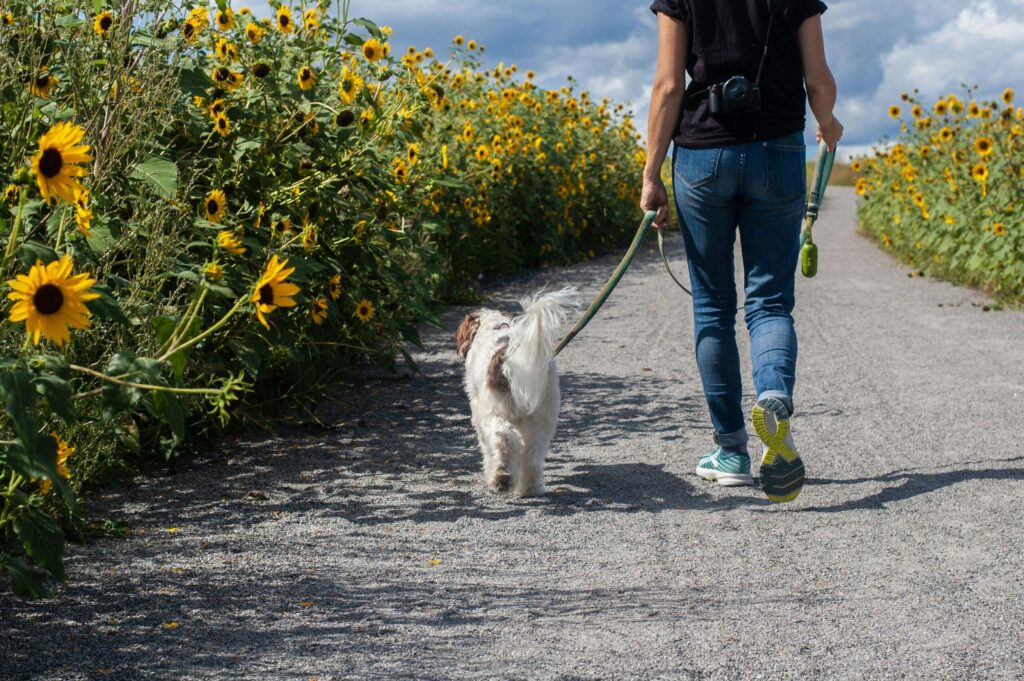
If she is moving more slowly, taking longer to do the same route, or not as keen to run and play then her joints may be feeling stiff and sore.
As OA gets worse a dog may start to limp, or avoid some activities altogether.
Some owners notice that their dog hesitates to jump into the car or onto the sofa.
They may avoid climbing stairs, or do it more slowly.
If your middle aged dog has stopped stealing treats from the worktop it MAY be that your years of training have finally clicked… or perhaps it just hurts his hips too much to jump up.
If you think your dog seems stiff and slower than usual, or if you’ve noticed a change in behaviour,
then speak to your vet.
There are lots of ways we can help!
How will the vet know if my dog has OA?
The vet will start by asking you questions about your dog’s activity and any changes you may have noticed.
A good clinical examination and watching your dog walk and move will help work out which joints may be sore.
X-rays or a CT of the joints can be taken to look for signs of OA and to tell us how severely affected the
joints are.
X-rays or a CT are really useful even in the early stages of OA so that we can look for joint abnormalities that may be correctable and to rule out other causes of joint pain and stiffness.
Blood tests and testing the fluid within the joints can help with this as well.
How can I help my dog feel better?
This all sounds pretty scary doesn’t it?
Pain, stiffness, X-rays, blood tests. Poor dogs!
You’re probably thinking maybe it’s better to just stop taking your dog out, right? Just let him sit on the
sofa, potter about in the yard, and hope that things don’t get worse.
NO! Don’t do that!
There are lots of ways to support your dog, make him feel more comfortable, mobile, and slow down the
progression of OA.
Things you can do at home
- Healthy Weight
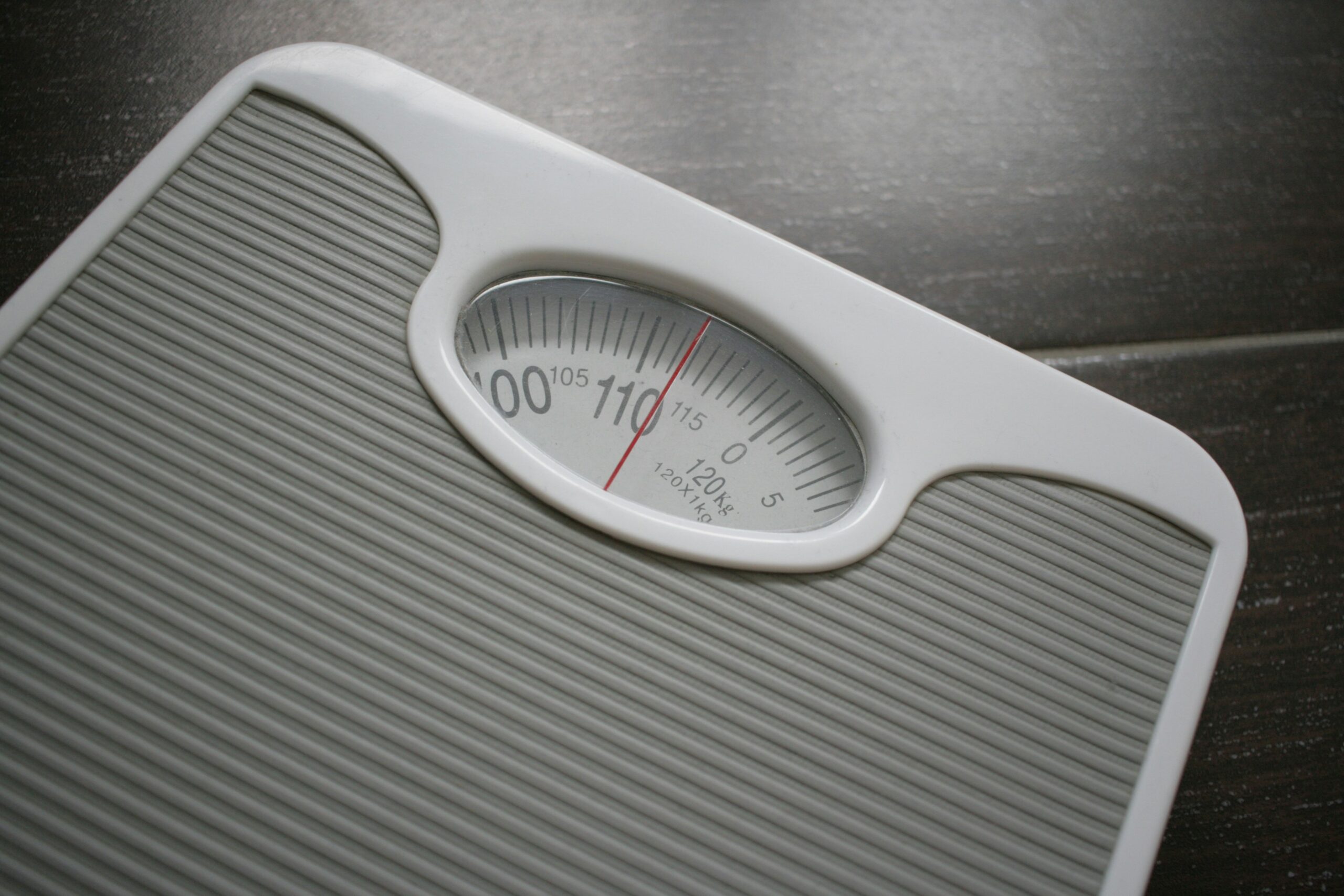
If your dog has OA then keeping him at a healthy weight is one of the biggest things you can do to help improve or maintain his mobility.
If your dog is even a little bit overweight that will put extra pressure on his sore joints, and losing just a kilo or two can make a big difference in how he feels.
Speak to one of your vets or nurses about the best way to help your dog shed some pounds. - Exercise
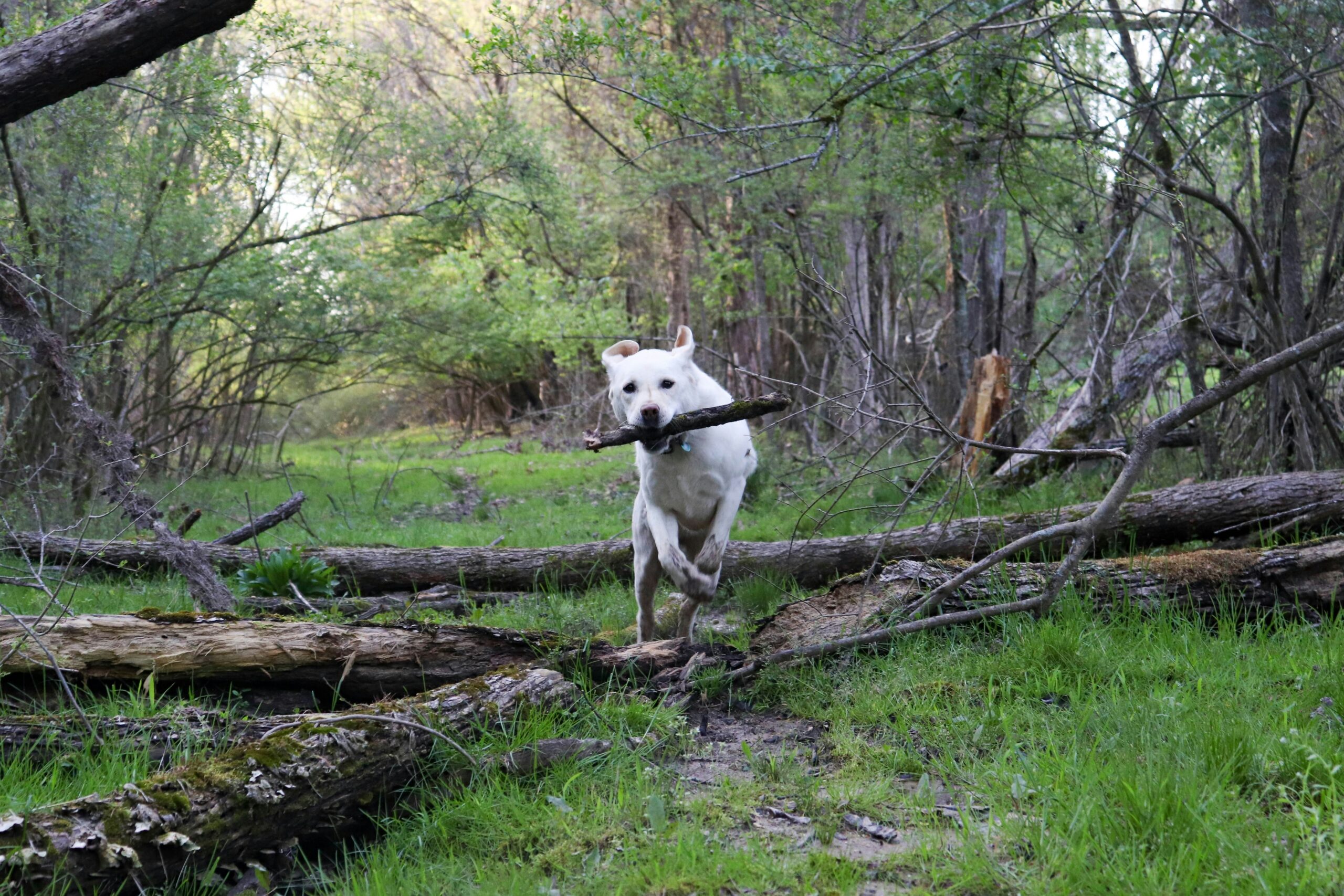
You may have noticed that your arthritic dog is struggling at the end of her daily walk, or that she seems worse after a longer than usual walk at the weekend.
Sometimes that flare up can last for days.
On the other hand you’ve also probably seen your dog taking a while to get going in the mornings, or being stiff and slow when she gets up from lying down.
So what do you do for the best? Exercise or rest? The answer is something in between.
Regular exercise is important to help keep the joints flexible and the muscles around the joints strong and supportive.
Aim for several shorter walks during the day rather than one big long walk.
If you’ve got a longer than normal outing planned then make sure to give your dog plenty of rest breaks. - A good bed
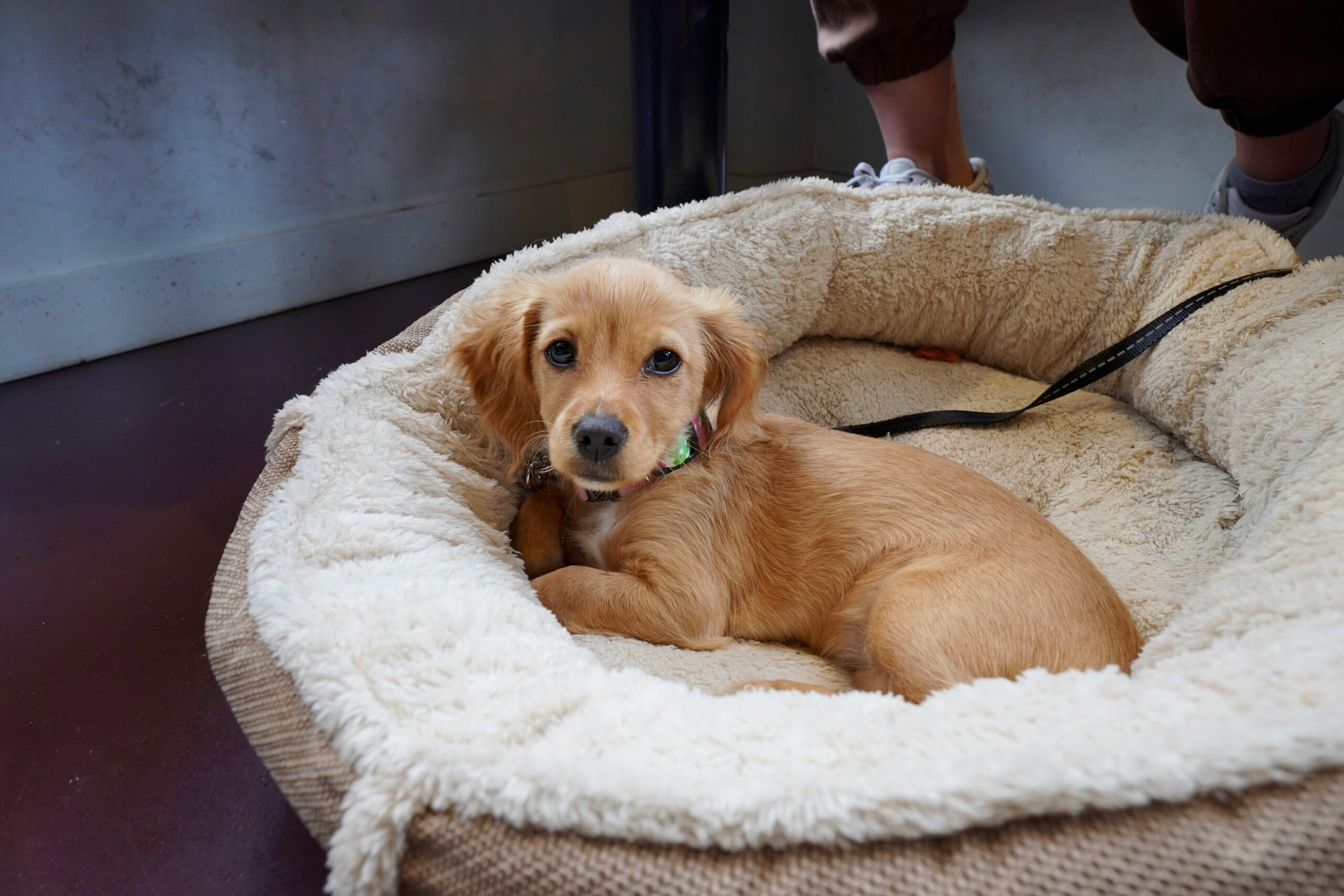
Sore joints need cushioning and support so make sure that your dog has a comfortable place to rest.
His bed should be deep and padded, but supportive.
Make sure that it is large enough for him to stretch out and relax!
Supplements, Medication and Specialist Care
- Nutraceuticals
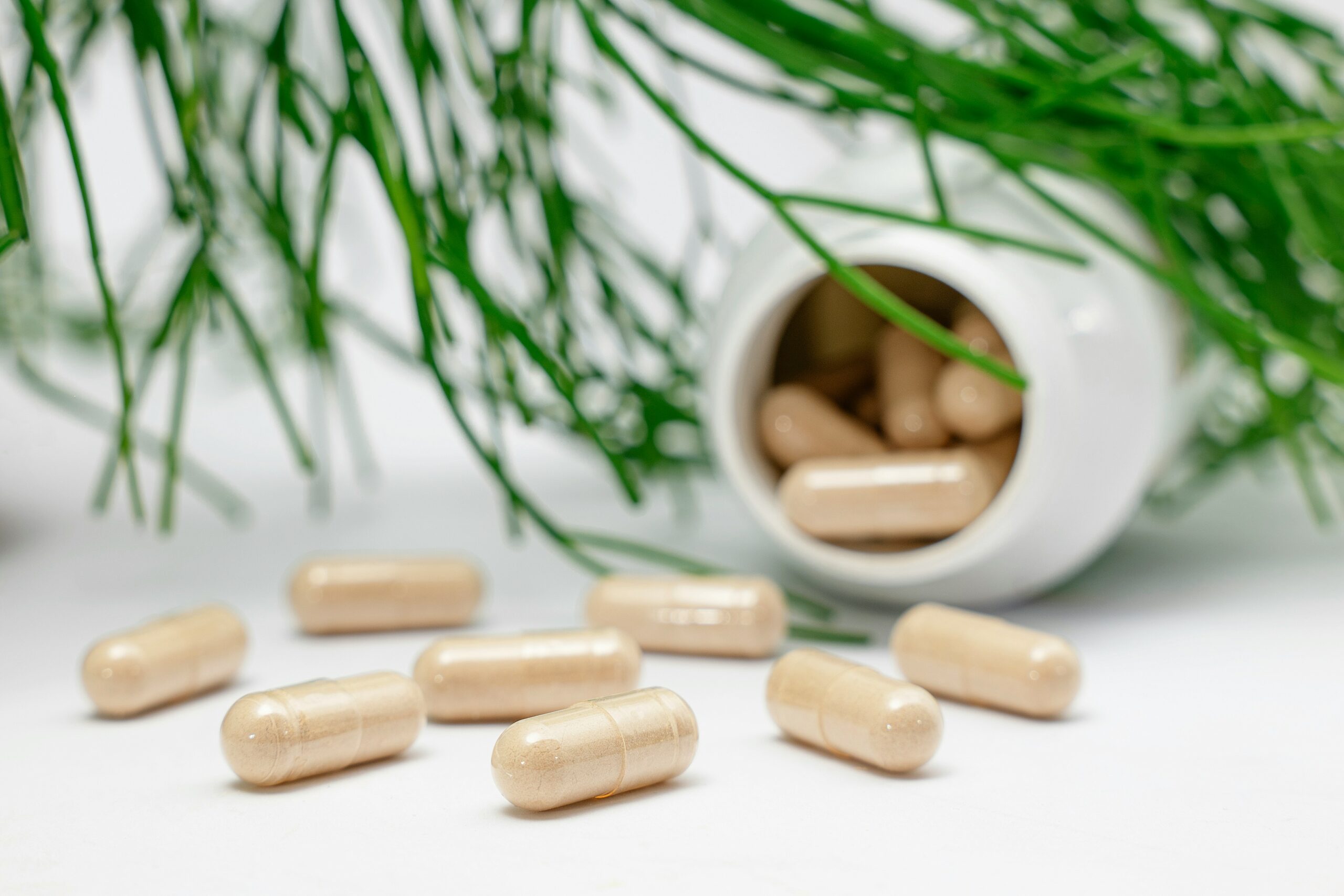
These are usually in the form of a tablet or powder added to your dog’s food.
A good joint supplement will help to improve cartilage which strengthens and protects the joint, make the joint fluid thicker and more slippery, and maintain the tendons and ligaments which support the joints.
It is important to read the ingredients and ensure that you are using a good quality product with high concentrations of the active ingredients.
Joint supplements do not require a prescription, but not all products are created equal so discuss the options with your veterinary team to decide which is the best suited to your dog’s needs. - Anti inflammatories
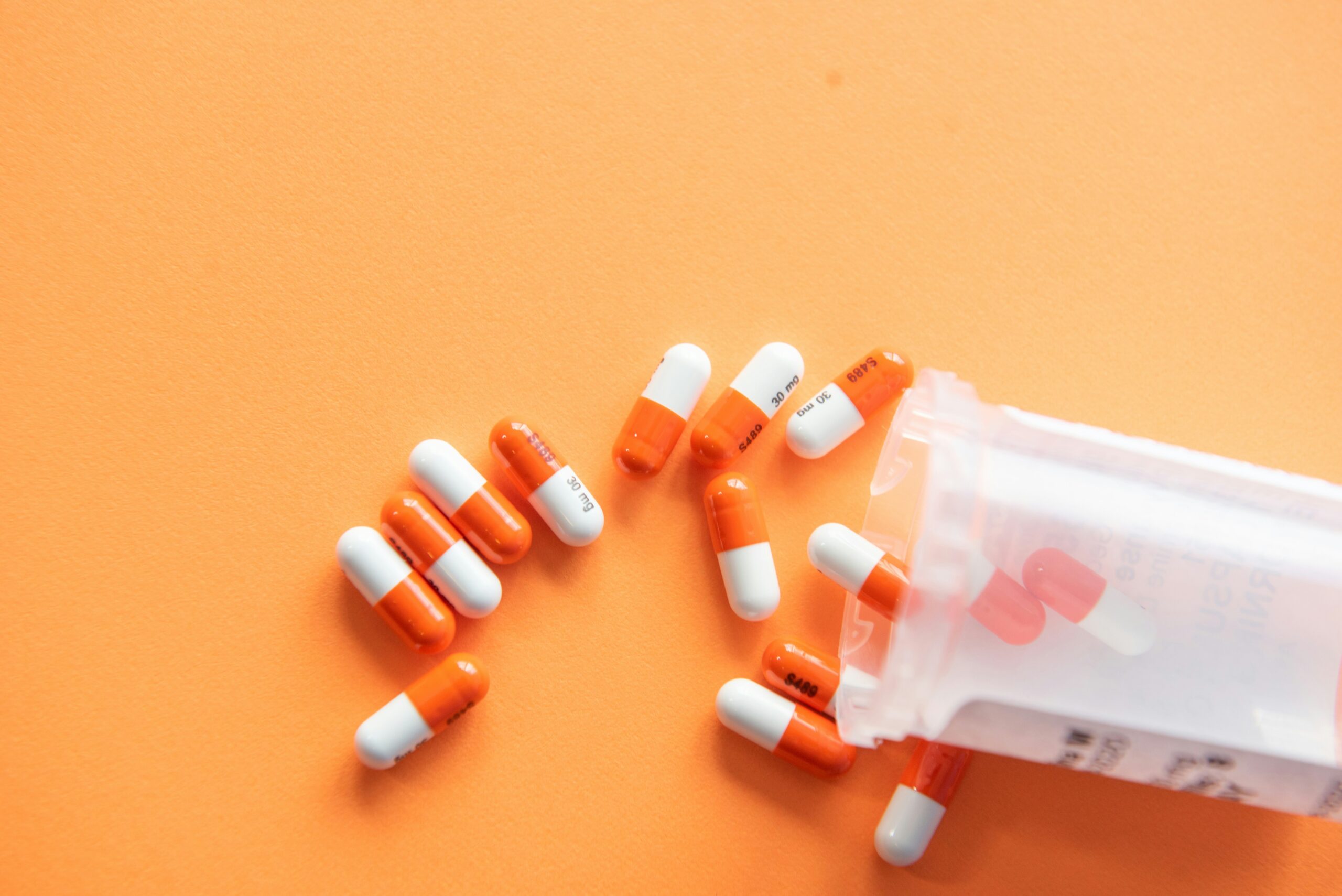
These drugs have been the mainstay of OA management in dogs for decades.
There are lots of different drugs which come in different forms, including tablets, oral syrups, and injections, but they all essentially work in the same way: they reduce pain by blocking the chemical reactions that cause inflammation.
Less inflammation = less pain.
Although anti inflammatories are not suited to every dog, in the vast majority of our patients they are well tolerated, suitable for long term use, and can really help to improve quality of life in dogs struggling with OA pain. - Monoclonal Antibodies
This is a really exciting recent development in arthritis pain management for our dogs.
Monoclonal antibodies are given as an injection under the skin (just like a vaccination injection) once a month.
They work by blocking the molecules which trigger nerves to send pain messages to the brain.
Because these drugs are so targeted they have very few side effects and can be given with lots of other drugs.
They are also generally very safe even in older dogs or dogs with other health conditions. - Physiotherapy and Hydrotherapy

Most of us are familiar with physiotherapy in people to treat injuries or recover from surgery, but it is also used in our pets.
Physiotherapy uses massage, heat, and specific exercises to help improve strength, mobility and joint function.
Veterinary Physios may also use light or laser therapy.
Hydrotherapy is a form of physiotherapy where exercises are done in a warm pool or water treadmill.
Water helps to support a dog’s weight allowing them to move more freely than they can on land. - Acupuncture
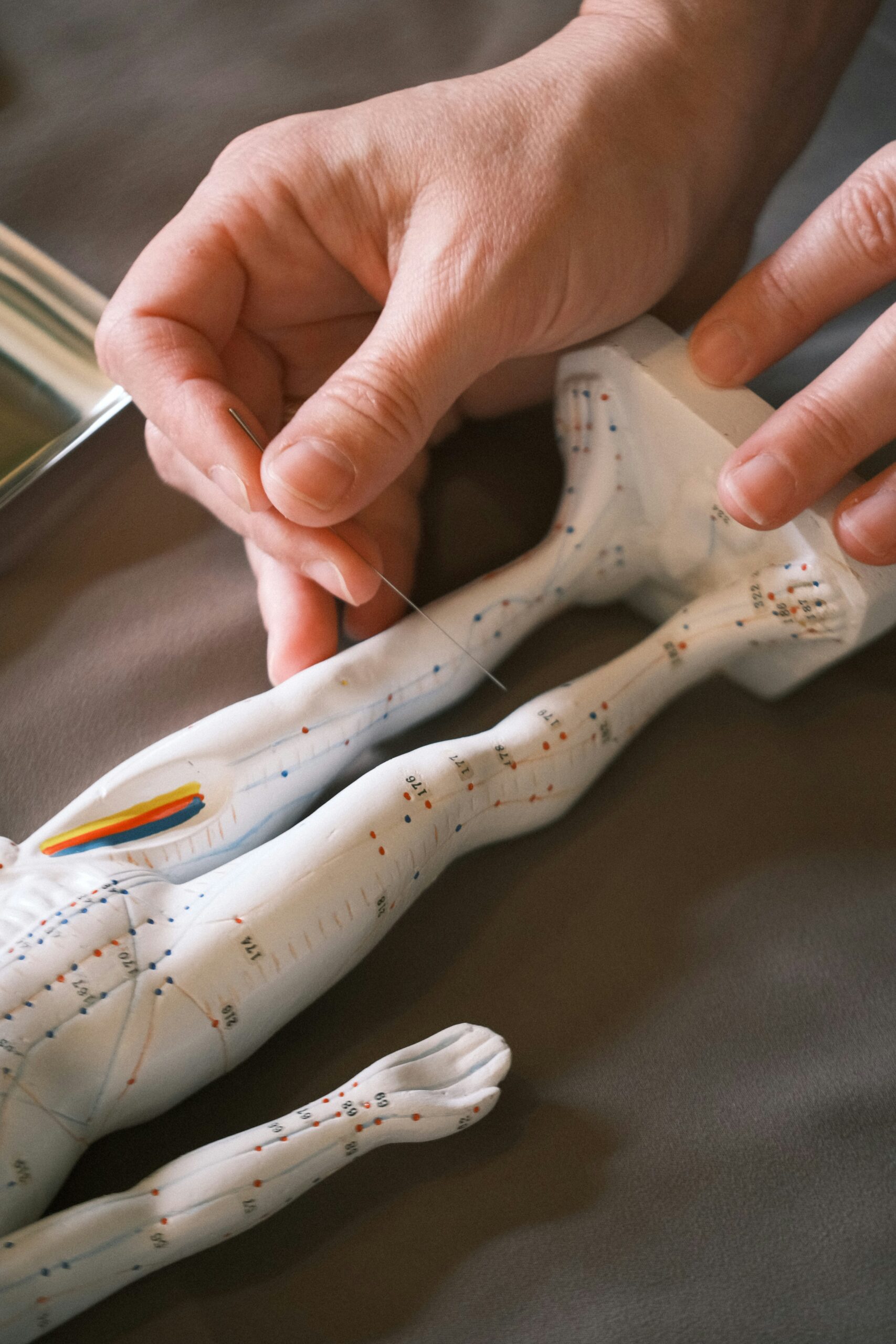
Although veterinarians trained in acupuncture used to be few and far between, in recent years the treatment has become more and more routine and is now widely available in most areas.
Acupuncture comes from traditional Chinese medicine and involves inserting tiny needles into specific points in the body to stimulate nerves and muscle under the skin.
This causes the body to produce it’s own pain relief molecules called endorphins.
We can use acupuncture to reduce pain around a specific joint as well as the surrounding areas to help make your dog more comfortable and mobile.
Acupuncture is usually given as an initial course of treatments on a weekly or biweekly schedule to help get your dog’s pain under control.
This is then followed up with regular sessions (perhaps monthly) to keep him comfortable.
An Integrated Approach
Research has shown how important changes in diet and lifestyle are to support dogs with OA pain.
Also, using pain medications that work in different ways will often provide better pain relief than using just one type of drug.
So, using several or all of the options listed above is the most likely way to improve your dog’s quality of life, manage their OA pain, and slow down progression of the disease.
Your veterinary team can help you decide which options will work best for your dog.
Your dog’s OA symptoms will change sometimes, whether due to a flare up of OA pain, or progression over time.
Vets and Vet Nurses are trained to recognise small or subtle changes in your dog that may mean he needs more or different treatment.
It is important to check in with your veterinary team regularly so that we can make sure your dog is as comfortable, healthy and happy as he can be.
If you think your dog is showing signs of stiffness or pain, if you’ve noticed him limping and slowing down then have a chat with your vet or vet nurse.
There are lots of ways we can help!
